
SC Patch Cords
Selection guides for SC fiber optic patch cords, including UPC and APC polish for distribution frames and PON ports.
-
Can a pigtail be used to connect patch cords
A fiber optic pigtail is a short-length cable with a pre-terminated connector on one end and a bare, unterminated fiber on the other., 12-core, 24-core) to patch panels, ODFs, or devices via fusion splicing. Unlike patch cords, pigtails. Simply put, a fiber optical pigtail is a single-ended fiber assembly used for “fusion splicing to create a permanent connection, while a patch cord is a double-ended fiber assembly used for pluggable connections between equipment. The difference is not just structural – one is oriented toward the. Fiber pigtails are simple in appearance, yet essential in function. They are the bridge between fiber optic cables in the field and the equipment or patch panels that manage them.
-

Calculation of the number of dual-mode fiber optic patch cords
The fundamental calculation formula is: Total patch cords = Total number of device ports × Connection factor Where the connection factor depends on the connection method: 2. Scenario-Based Calculations The redundancy factor is typically 0 (no redundancy) or 1 (1:1 redundancy). This guide walks you through the simple decision steps engineers use, the common strand counts on the market, and clear rules-of-thumb for different project. So, we have created a special tool - a calculator that allows customers to design patch cords tailored to their needs, calculate their prices, and send the orders. the list of patch cords that fulfill the requirements and can be made to order. For example, the total number of cores in an MTP®-8 trunk cable equals 4 (number of branches) x 8 (MTP-8. The number of optical cores in an optical fiber is the total number of equipment interfaces multiplied by 2, plus 10% to 20% of the spare quantity, and if the communication mode of the equipment has serial communication and equipment multiplexing, you can reduce the number of cores. They act as the critical link for interconnecting devices like optical switches, servers, and distribution frames.
[PDF Version]
-
Original fiber optic patch cords available now
In the webshop, you will find our fibre optic patchcords with singlemode and multimode OM3 and OM4 fibres in FRNC-LSZH indoor cables for stationary, weather-protected use in accordance with IEC 60721-3-3 (e. We also offer customized solutions -. FS offers full range of fibre optic patch leads & cables with bend insensitive fibre design that support fibre optic cabling up to 400G. 100% end-face, IL & RL tested. – and are used to connect IT hardware (e. switches, servers) equipped with fibre optic interfaces either directly. Thorlabs offers single mode fiber optic patch cables with a variety of connector options, including FC/PC, FC/APC, and hybrid FC/PC to FC/APC and FC/PC to SMA. Also available are single mode patch cables with AR-coated FC/PC or FC/APC connectors for improved fiber-to-free-space coupling. Corning offers the most complete line of connectors and factory-terminated cables, from single-fiber cords to high-fiber-count cable assemblies. Corning offers the most complete. Check each product page for other buying options.
[PDF Version]
-
Distinguishing between single-duplex and single-duplex fiber optic patch cords
Simplex and duplex cables are the two primary structures used in fiber optic patch cords and pigtails. Their difference lies in the number of fibers, directional transmission behavior, and interface requirements for data, telecom and FTTH applications. Their. A duplex fiber-optic connector connects to two optical ports, whereas a simplex connector connects to a single optical port. There are various types of optical cables, including single-mode fiber optic cables, multimode fiber optic cables, simplex fiber optic cables, and duplex fiber optic cables. LC stands for Lucent Connector, named after the company that first developed it.
-
How to Choose FC Fiber Optic Patch Cords in Latvia
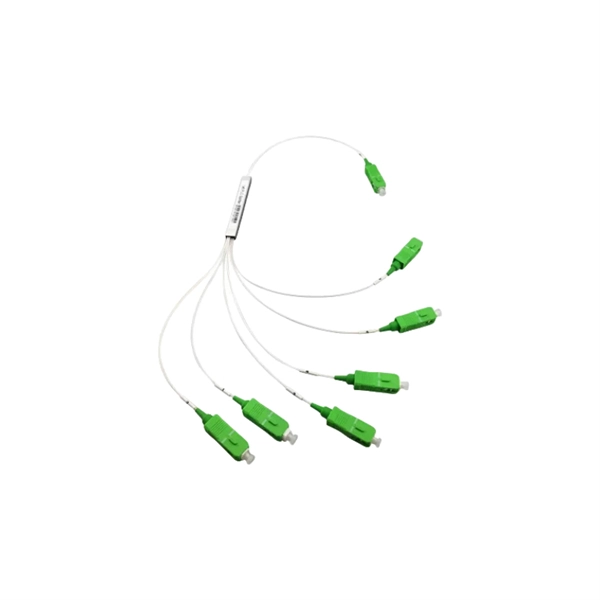
Discover all major fiber optic patch cord types—including SC, LC, ST, MPO/MTP—and learn how to choose between single-mode and multimode cables. This 2025 updated guide covers features, applications, color codes, and expert tips to help you select the right fiber. This guide cuts through the jargon: single-mode vs multimode, LC vs MPO, UPC vs APC, and every specification that actually matters when you're spec'ing out a real deployment. Whether you're cabling a new AI training cluster, upgrading a campus backbone, or just replacing aging patch cords in a. What Are Fiber Patch Cord? Core Definition & Key Functions Fiber patch cords—commonly referred to as fiber jumpers, fiber patch cables, or fiber patch leads—are short-length optical cables terminated with fiber optic connectors on both ends. They act as the critical link for interconnecting devices like optical switches, servers, and distribution frames. Selecting the right fiber optic patch cord involves more than just identifying the connector types you need.
[PDF Version]
-
How to prevent dust from entering fiber optic patch cords
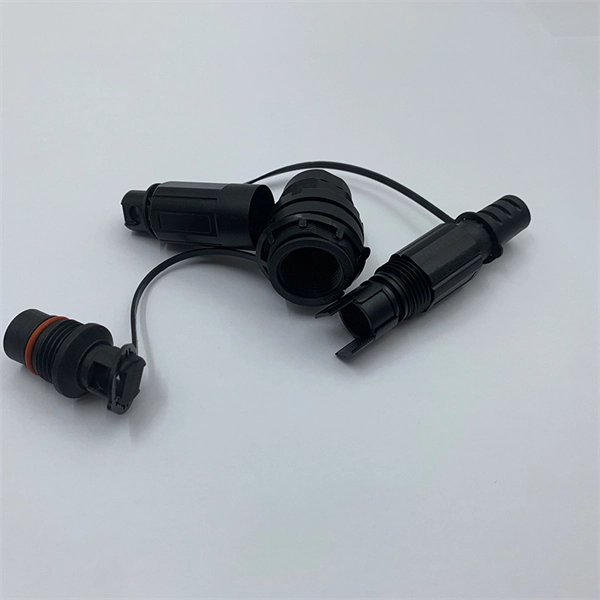
Clean them to stop dust from building up. Train your staff. It mostly covers how to protect indoor fiber cables and patch cords, and also offers a quick look at outdoor fiber protection, so beginners can get into good habits for everyday use and maintenance. Inside a fiber optic cable, there is a very thin glass core. Yet in practice, one tiny particle of dust can cause major performance issues —increasing insertion loss, degrading return loss, or even completely blocking the signal. The truth is simple: dust is the number one enemy of fiber. Adapter dust caps are specially designed covers placed on the open ends of unused fiber optic adapters. Their primary purpose is to prevent dust, debris, and other contaminants from entering the adapter and potentially damaging the sensitive fiber end-faces or connectors. Contamination can directly lead to the following key issues: Maintain Signal Integrity: In high-speed networks, even tiny particles can disrupt performance.
[PDF Version]
Fiber Optic Patch Cord Network Updates
- France bulk purchases 800G optical modules and 10G
- Jamaican Tail Fiber Channel Manufacturer Direct Sales Point
- Fiber distribution box for fiber skipping
- Elevation of Trapezoidal Cable Tray
- Application of Italian 6-core smart building optical cable
- MPO jumper wire tail sleeve
- North Asia Telecom Dedicated Indoor Optical Cable
- Fiber Optic Distribution Box Rack
- Price of Intelligent Optical Isolators for Surveillance in Afghanistan
- Single-mode optical cable is priced according to information
- What are some quick methods for replacing optical splitters
- Home Use Fiber Optic End Face Inspection Instrument
- Cable tray and wire ratio
- Laying cables on outdoor ladder-type cable trays
- Which manufacturer should you choose for fiber optic cable wells
- Box-type beam splitter brands