
MTP Patch Cords
Reference material on MTP fiber optic patch cords with refined housing for lower insertion loss and consistent end faces.
-
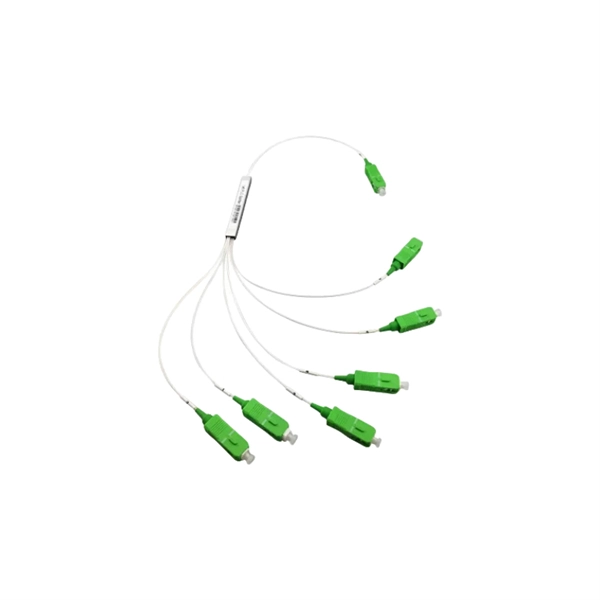
How to Choose FC Fiber Optic Patch Cords in Latvia
Discover all major fiber optic patch cord types—including SC, LC, ST, MPO/MTP—and learn how to choose between single-mode and multimode cables. This 2025 updated guide covers features, applications, color codes, and expert tips to help you select the right fiber. This guide cuts through the jargon: single-mode vs multimode, LC vs MPO, UPC vs APC, and every specification that actually matters when you're spec'ing out a real deployment. Whether you're cabling a new AI training cluster, upgrading a campus backbone, or just replacing aging patch cords in a. What Are Fiber Patch Cord? Core Definition & Key Functions Fiber patch cords—commonly referred to as fiber jumpers, fiber patch cables, or fiber patch leads—are short-length optical cables terminated with fiber optic connectors on both ends. They act as the critical link for interconnecting devices like optical switches, servers, and distribution frames. Selecting the right fiber optic patch cord involves more than just identifying the connector types you need.
[PDF Version]
-
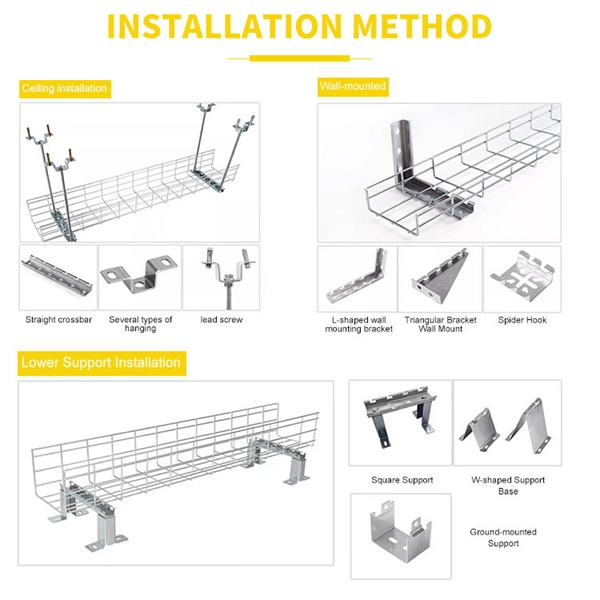
Calculation of the number of dual-mode fiber optic patch cords
The fundamental calculation formula is: Total patch cords = Total number of device ports × Connection factor Where the connection factor depends on the connection method: 2. Scenario-Based Calculations The redundancy factor is typically 0 (no redundancy) or 1 (1:1 redundancy). This guide walks you through the simple decision steps engineers use, the common strand counts on the market, and clear rules-of-thumb for different project. So, we have created a special tool - a calculator that allows customers to design patch cords tailored to their needs, calculate their prices, and send the orders. the list of patch cords that fulfill the requirements and can be made to order. For example, the total number of cores in an MTP®-8 trunk cable equals 4 (number of branches) x 8 (MTP-8. The number of optical cores in an optical fiber is the total number of equipment interfaces multiplied by 2, plus 10% to 20% of the spare quantity, and if the communication mode of the equipment has serial communication and equipment multiplexing, you can reduce the number of cores. They act as the critical link for interconnecting devices like optical switches, servers, and distribution frames.
[PDF Version]
-
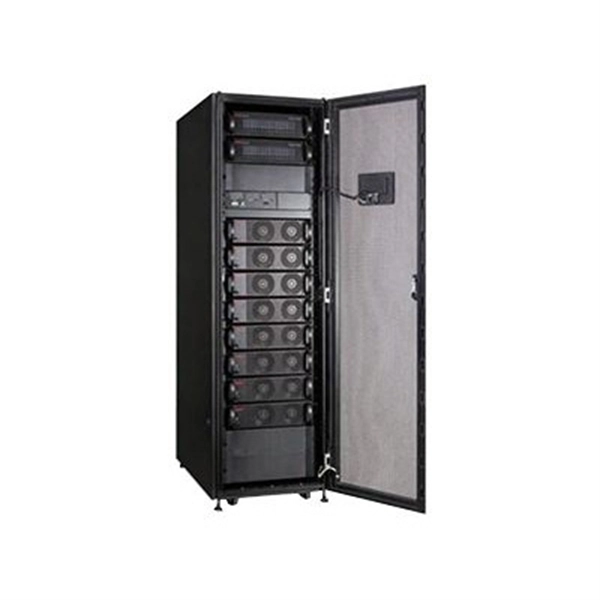
What are fiber optic patch cords and fiber optic boxes generally called
Fiber patch cables are also known as fiber optic patch cords or jumper cables. They are a type of cable that consists of one or more optical fibers enclosed in a protective jacket. The optical fibers are made of glass or plastic and transmit light signals instead of electrical signals. ZION Communication supplies both standard patch cords and custom assemblies to match your equipment, distance, and installation. Introduction to fiber optic patch cords Optical fiber jumpers (also known as optical fiber connectors) refer to the connector plugs installed on both ends of the optical cable to realize the active connection of the optical path; the plugs on one end are called pigtails.
-
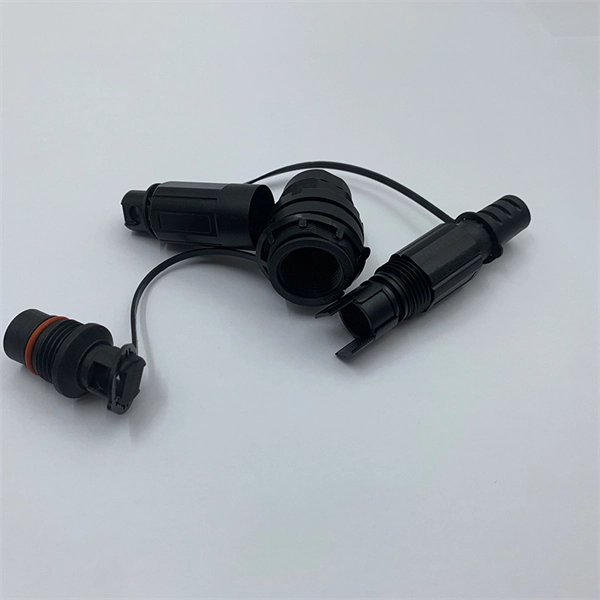
How to prevent dust from entering fiber optic patch cords
Clean them to stop dust from building up. Train your staff. It mostly covers how to protect indoor fiber cables and patch cords, and also offers a quick look at outdoor fiber protection, so beginners can get into good habits for everyday use and maintenance. Inside a fiber optic cable, there is a very thin glass core. Yet in practice, one tiny particle of dust can cause major performance issues —increasing insertion loss, degrading return loss, or even completely blocking the signal. The truth is simple: dust is the number one enemy of fiber. Adapter dust caps are specially designed covers placed on the open ends of unused fiber optic adapters. Their primary purpose is to prevent dust, debris, and other contaminants from entering the adapter and potentially damaging the sensitive fiber end-faces or connectors. Contamination can directly lead to the following key issues: Maintain Signal Integrity: In high-speed networks, even tiny particles can disrupt performance.
[PDF Version]
-
What are the certifications for fiber optic patch cords
Understand key fiber optic patch cord standards and certifications including ISO/IEC, TIA, IEC, UL, CE, RoHS, and more. Then, choosing certified fiber patch cords or MTP cables ensures the reliability and safety of infrastructure cabling. Below are the certifications most closely tied to fiber optic cables. The EU's REACH regulation (Registration, Evaluation, Authorisation and Restriction of Chemicals) is one of the. The high-quality fiber optic patch cords for the global markets should display one or more of these certifications, which show their compliance with the international standards: Each connector type must conform to the geometric and material specifications to achieve low insertion loss and high. Our ISO-certified factory ensures every fiber optic product meets the highest standards of quality and reliability. TIA/EIA-568 Standard: This standard provides. All Gcabling fiber and copper structured cabling system products are designed and manufactured according to strict standards. Here we have listed some of the standards we comply with, this is not a complete list, but covers the most important ones. The TIA version for singlemode does not.
[PDF Version]
Fiber Optic Patch Cord Network Updates
- France bulk purchases 800G optical modules and 10G
- Jamaican Tail Fiber Channel Manufacturer Direct Sales Point
- Fiber distribution box for fiber skipping
- Elevation of Trapezoidal Cable Tray
- Application of Italian 6-core smart building optical cable
- MPO jumper wire tail sleeve
- North Asia Telecom Dedicated Indoor Optical Cable
- Fiber Optic Distribution Box Rack
- Price of Intelligent Optical Isolators for Surveillance in Afghanistan
- Single-mode optical cable is priced according to information
- What are some quick methods for replacing optical splitters
- Home Use Fiber Optic End Face Inspection Instrument
- Cable tray and wire ratio
- Laying cables on outdoor ladder-type cable trays
- Which manufacturer should you choose for fiber optic cable wells
- Box-type beam splitter brands