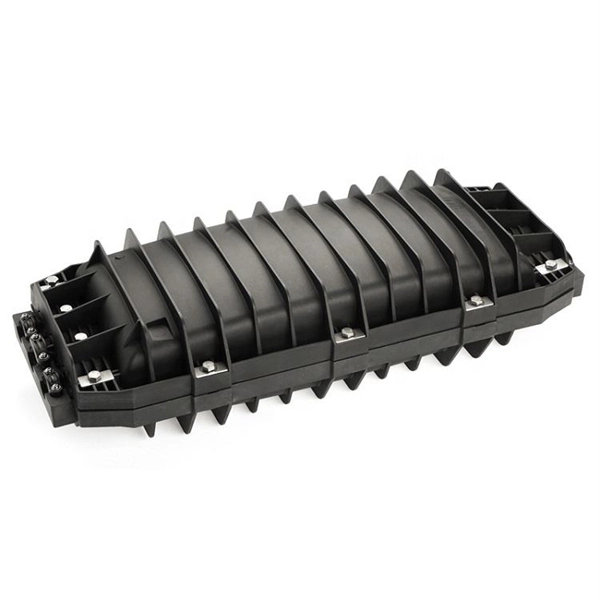
Copper cables are increasingly being replaced with fiber optic cables due to superior performance, lower maintenance costs, and growing data demands.Why Copper is Being Replaced
Copper networks, which have been the backbone of telecommunications for over a century, are struggling to meet modern data demands. Copper cables have physical limitations in bandwidth and signal transmission, making them less suitable for high-speed internet, streaming, and cloud-based services . Maintaining copper infrastructure is also costly, requiring batteries, specialized cabinets, and skilled technicians, many of whom are retiring . Additionally, copper is susceptible to corrosion, water damage, and electrical interference .
Advantages of Fiber Optic Cables
Fiber optic cables transmit data as light through a glass core, allowing for much higher speeds, lower latency, and greater bandwidth compared to copper . They are more resilient to environmental factors, do not conduct electricity, and require minimal maintenance . Fiber can also support multiple services—data, voice, and television—over a single connection, making it more efficient for network deployment . Economically, fiber is becoming more affordable to install and maintain, while copper costs continue to rise .
Industry Trends and Deployment
Telecommunications companies, data centers, and industrial networks are rapidly transitioning to fiber optics. This shift is driven by the exponential growth of data traffic, the rollout of 5G/6G networks, and the need for long-term infrastructure capable of supporting future technologies . Regulatory requirements, such as providing notice to consumers before copper retirement, are in place to ensure service continuity during the transition . In most cases, internal rewiring in homes is minimal, and existing phones generally remain compatible with fiber-based digital services .
Consumer Impact
When copper is replaced with fiber, consumers typically experience faster, more reliable internet and phone services. However, fiber-based services may require backup power during outages, as traditional copper landlines can operate without electricity . Providers usually offer guidance and installation support to minimize disruption and maintain service quality. In summary, the replacement of copper cables with fiber optic technology is a widespread and ongoing trend driven by technical limitations of copper, cost efficiency, and the increasing demand for high-speed, reliable connectivity .