Proper planning, careful handling, adherence to safety standards, and thorough testing are essential for successful fiber optic cable installation.Planning and Route Assessment
Before installation, conduct a site survey to determine the optimal cable route, avoiding obstacles, sharp bends, and areas prone to environmental hazards. Accurately measure cable lengths, accounting for bends, loops, and future maintenance needs to prevent slack issues or insufficient cable length . Develop a port map to guide connections between patch panels, network cabinets, and nodes .
Handling and Installation Techniques
Fiber optic cables are delicate and can be damaged by excessive pulling, bending, or twisting. Always follow the manufacturer's minimum bend radius and maximum pulling tension specifications to prevent microbends, fractures, or permanent fiber damage . Use proper tools, clamps, and strain relief methods to secure cables and prevent sagging or stress over time . Avoid coiling cables too tightly and ensure vertical installations are supported at frequent intervals .
Contamination Prevention
Cleanliness is critical. Dust, oil, or particles on connectors can cause signal loss, reflection issues, and degraded performance. Always use specialized fiber optic cleaning tools and avoid shortcuts like wiping connectors with fingers, clothing, or generic wipes . Ensure connectors are contaminant-free before making connections.
Safety Precautions
Fiber optic installation involves risks such as eye injury from fiber shards. Wear protective gear, handle fiber scraps carefully, and avoid touching your face or eyes . Disconnect power sources, maintain adequate lighting, and keep food or beverages away from the work area to prevent contamination and hazards . Follow regulatory standards for safety, environmental protection, and quality assurance to ensure compliance and reduce legal or operational risks .
Environmental and Equipment Considerations
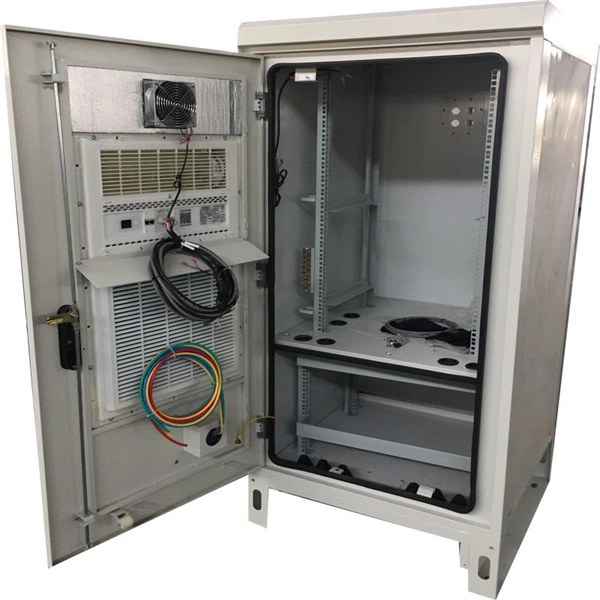
Install cables in environments within the specified temperature, humidity, and cleanliness ranges. Use appropriate enclosures for outdoor or harsh conditions . Avoid installing in areas where cables may be exposed to pests, liquids, or mechanical damage.
Testing and Documentation
After installation, perform pre- and post-installation testing using tools like optical time-domain reflectometers (OTDRs), power meters, and visual fault locators to verify signal integrity and detect breaks or faults . Document all test results, cable routes, and installation details for future maintenance and troubleshooting .
Summary
Successful fiber optic cable installation requires careful planning, precise handling, contamination control, adherence to safety standards, and thorough testing. Following these best practices ensures long-term network reliability, optimal performance, and reduced maintenance costs .