JEWELBLU OPTICALFIBER PATCH CORDS Technical Inquiry

Fiber optic cable protection against external damage equipment

Protecting fiber optic cables requires a combination of proper cable selection, physical barriers, environmental safeguards, and careful installation practices to prevent mechanical, environmental, and human-induced damage.Common Threats to Fiber Optic Cables

Fiber optic cables are vulnerable to a variety of external factors that can compromise performance and longevity. Key threats include:

  • UV Exposure and Temperature Extremes: Prolonged sunlight can degrade plastic jackets, while temperature fluctuations can cause expansion, contraction, and stress fractures .
  • Moisture and Flooding: Water ingress can damage fibers or connectors, leading to signal attenuation .
  • Rodent Damage: Animals may chew through cables, particularly in rural or underground installations .
  • Crushing or Impact: Vehicles, construction equipment, or falling debris can compress or sever cables .
  • Soil Shifting and Accidental Digging: Underground cables may stretch or deform as soil settles, and construction activities pose a high risk .
  • Vandalism or Theft: Exposed infrastructure can be deliberately cut or stolen .
Protective Measures1. Cable Selection

Choosing the right type of fiber optic cable is the first line of defense. Outdoor-rated cables often include:

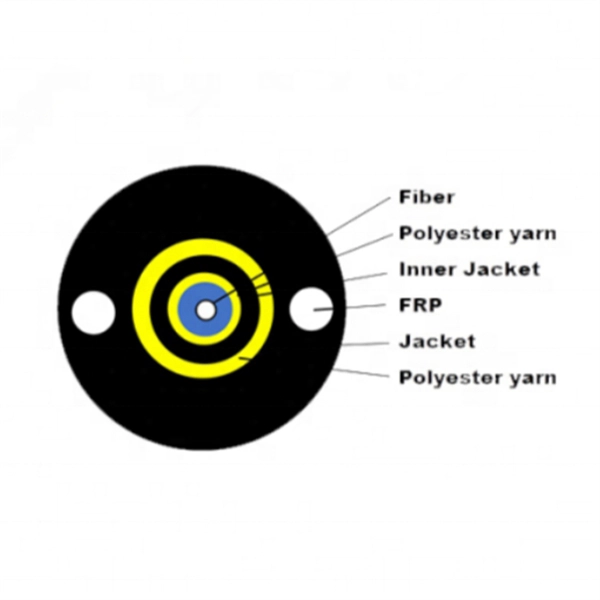
  • Armored Cables: Provide mechanical protection against crushing, rodent attacks, and accidental impacts .
  • UV-Resistant Jackets: Prevent degradation from sunlight exposure .
  • Water-Blocking Features: Gel-filled or tape-wrapped designs prevent moisture ingress .
2. Physical Barriers
  • Conduits and Ducts: Shield cables from mechanical stress, moisture, and accidental digging. They are essential for underground or exposed installations .
  • Protective Sleeves and Clips: Secure cables to surfaces and prevent bending or tension that could damage fibers .
3. Burial Practices
  • Proper Depth: Bury cables according to local regulations to avoid accidental damage.
  • Warning Tape: Place above conduits to alert future excavation activities .
  • Soil Stabilization: Ensure soil is compacted to reduce shifting and stress on cables .
4. Aerial Installations
  • Overhead Cables: Use cables designed for aerial deployment with UV resistance, ice and wind tolerance, and proper tensioning to prevent sagging .
5. Maintenance and Handling
  • Regular Inspections: Identify potential damage early to prevent signal loss .
  • Proper Handling: Avoid over-bending, over-pulling, or touching fiber end faces. Use dust caps and cleaning tools to maintain connector integrity .
  • Training Personnel: Ensure technicians follow correct installation and maintenance procedures to minimize human error .
Summary

Effective fiber optic cable protection combines robust cable design, physical barriers, careful installation, and ongoing maintenance. By addressing environmental, mechanical, and human-induced risks, organizations can ensure long-term reliability, signal integrity, and reduced downtime for critical communication networks .

Fiber optic cable protection against external damage equipment

Fiber Optic Cable Protection

How to Protect Fiber Optic NetworksAccidentally Damaging Fiber Optic CablesFiber Optics and The EnvironmentFiber Optics and AnimalsFiber Optic Protection from ShowMeCablesShowMeCables offers a variety of fiber protection options along with the fiber cable and equipment itself. These options include raceway, wiring duct, rack enclosures, wall enclosures, and more. Have questions about fiber optic equipment or any of our other products? You can reach our Sales team at 1-888-519-9505 or Sales@ShowMeCables See more on showmecables szphoton

How do I protect my fiber optic cable outside? - SZPHOTON

To ensure the longevity and reliability of fiber optic cables in outdoor environments, it is crucial to protect them from various external

Related Video Reference

This video was associated with the source search result. Verify technical details against current product documentation and project requirements.

Technical note

This reference is intended for preliminary fiber optic patch cord research. Compatibility, link budgets, connector types, polish, installation methods, test limits and applicable standards must be verified for the specific project.

Still Have a Technical Question?

Use the inquiry form to describe a patch cord requirement, connector type or testing question.

Start an Inquiry